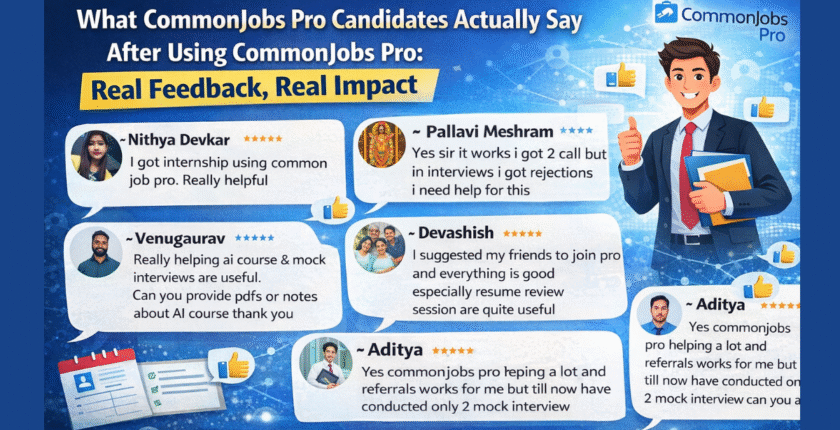
What CommonJobs Pro Candidates Actually Say After Using CommonJobs Pro : Real Feedback, Real Impact:
What CommonJobs Pro Candidates Actually Say After Using CommonJobs Pro : Despite doing “everything right,” new hires and professionals in their early careers frequently feel adrift in today’s fiercely competitive employment market. They enroll in numerous courses, go to interviews, and apply to hundreds of jobs, yet the outcomes are still sluggish or uneven. The main issue is not a lack of effort but rather a lack of focus, direction, and organized direction. Most job seekers start to lose confidence at this point.
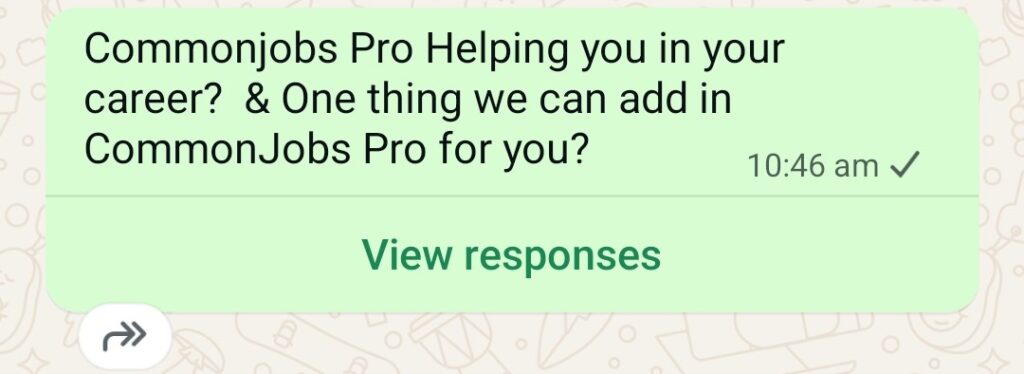
At CommonJobs, we think that applicant experiences—rather than marketing claims—are the true measure of value. We recently posed a straightforward query to CommonJobs Pro (CommonJobs Pro ) members: “How has your experience been so far with CJ Pro?” We got frank, unvarnished, and incredibly intelligent comments. While some candidates talked about their hardships and others about their successes, they all agreed that clarity had taken the place of uncertainty.
We ask Candidates :
This article is based entirely on real responses from CommonJobs Pro candidates. Their words reflect what actually happens after joining CommonJobs Pro—resume reviews, mock interviews, referrals, confidence gaps, and continuous improvement. If you’re wondering whether CommonJobs Pro works, this article gives you the answer straight from candidates who are living the process.
Why Most Job Seekers Fail and How CommonJobs Pro Actually Fixes It
1. Resume Review Sessions That Expose Hidden Mistakes
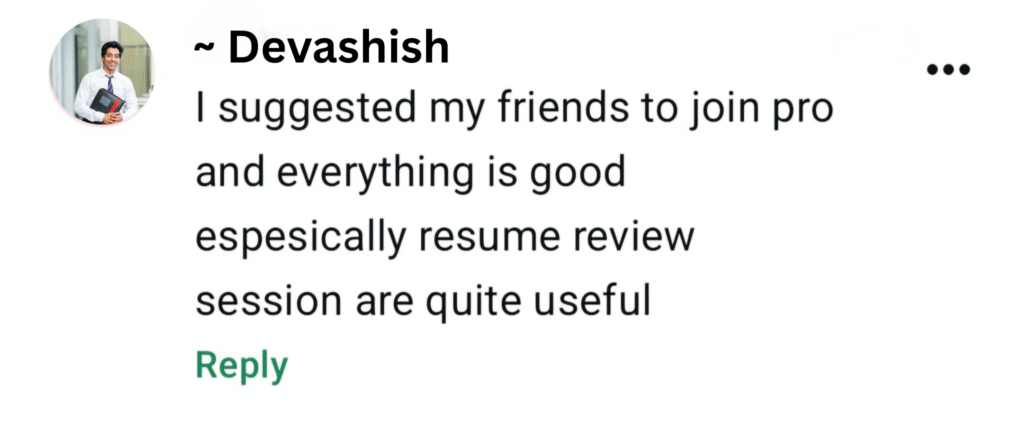
Many candidates believe their resume is “good enough” until repeated rejections prove otherwise. CommonJobs Pro resume review sessions help candidates understand why their resume is not converting into interview calls. As one candidate shared, resume review was “especially useful” because it highlighted mistakes they were repeating unknowingly.
These sessions focus on ATS compatibility, keyword alignment, role-specific tailoring, and clarity of content. Instead of generic advice, mentors review resumes line by line, explaining what recruiters actually look for. Candidates don’t just get corrections—they understand the logic behind them, which helps them improve long-term.
Feedback 1 :
2. Interview Calls Increase, But Clarity Matters More
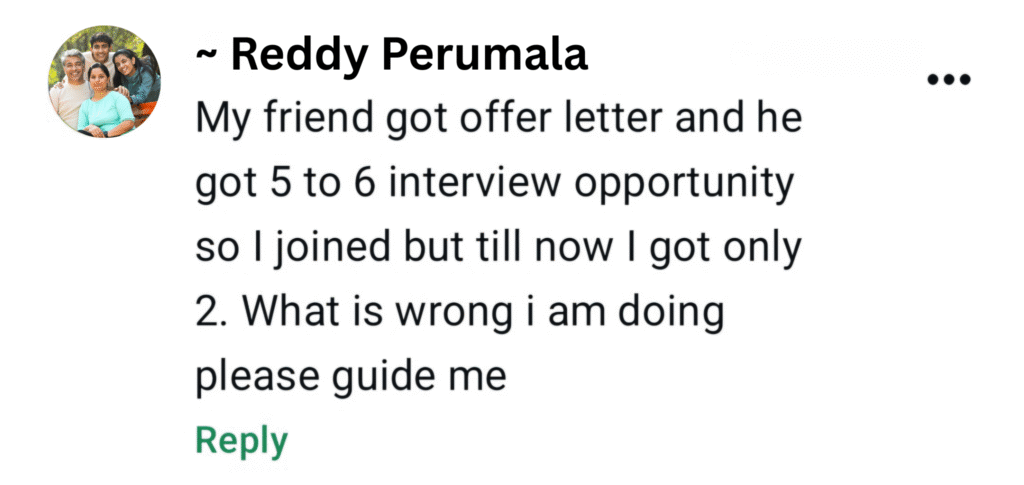
Several candidates mentioned receiving 2–6 interview calls after joining CommonJobs Pro Pro. While this is encouraging, what stands out is the transparency—CJ Pro does not promise instant placement. One candidate openly said, “My friend got more calls, I got fewer. What am I doing wrong?” This mindset shift is important.
CommonJobs Pro helps candidates analyze gaps instead of comparing outcomes blindly. Mentors explain that resume quality, role targeting, location preference, and communication skills all influence interview frequency. Candidates stop blaming luck and start fixing variables that are actually under their control.
Feedback 2 :
3. Mock Interviews Reveal Confidence and Communication Gaps
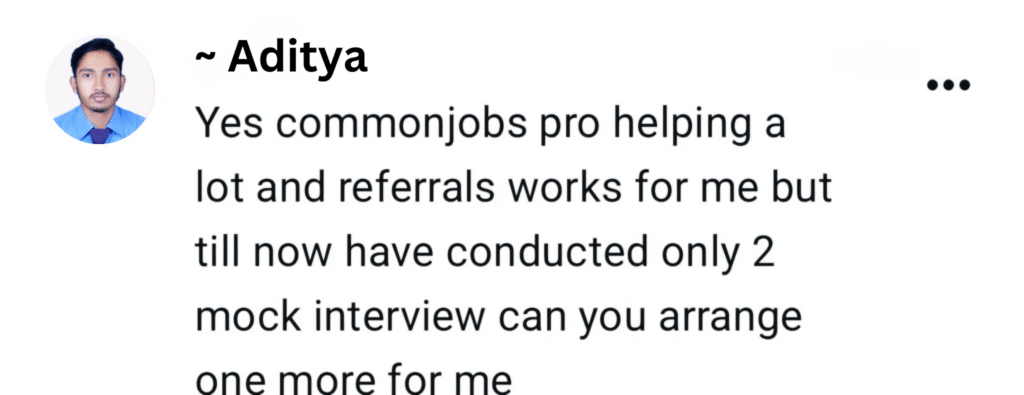
One of the most repeated requests from candidates was: “Please arrange one more mock interview.” This clearly shows the value candidates see in mock sessions. Mock interviews are not just Q&A rounds—they simulate real pressure, real HR behavior, and real expectations.
Candidates receive direct feedback on confidence, structure of answers, hesitation, clarity, and technical depth. Many realize that knowledge alone is not enough—how you present it matters equally. After mocks, candidates walk into real interviews with better self-control and reduced anxiety.
Feedback 3 :
4. Referrals Work, But Strategy Is Key
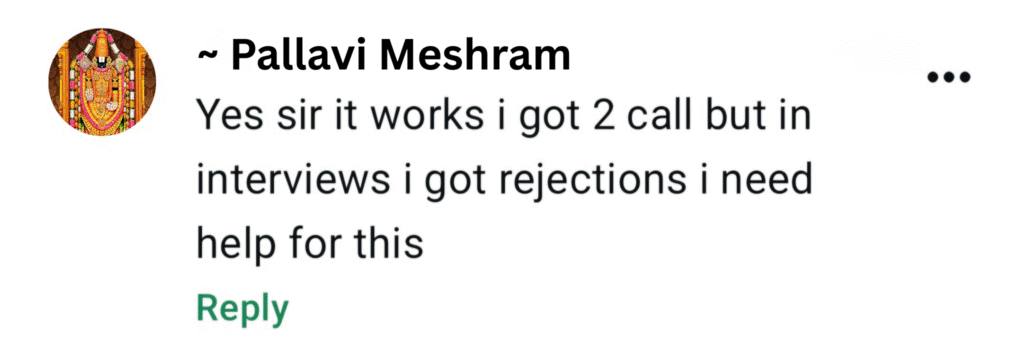
Many CommonJobs Pro members confirmed that referrals work, but they also admitted facing rejections even after getting calls. This honesty is important. CommonJobs Pro teaches candidates that referrals increase visibility—but interview performance still decides outcomes.
Through guidance and group discussions, candidates learn how to apply selectively, follow up professionally, and avoid referral misuse. This structured approach ensures referrals are not wasted and interviews are treated seriously.
Feedback 4 :
5. Study Materials That Match Real Interview Expectations
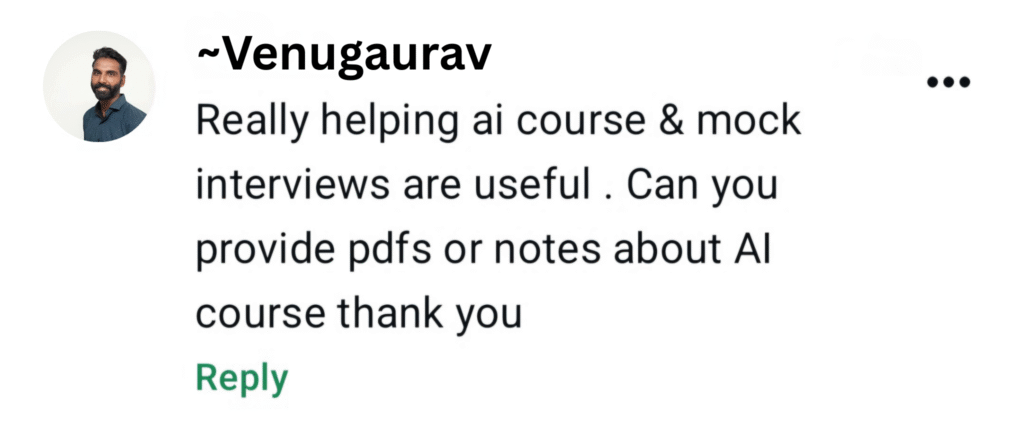
Some candidates highlighted the usefulness of AI courses, notes, and interview-focused materials provided through CommonJobs Pro. Unlike random online videos, these resources are curated based on current industry demand and real interview patterns.
Candidates stop over-preparing irrelevant theory and start focusing on practical, frequently asked concepts. This targeted preparation saves time and improves confidence, especially for freshers and career switchers.
Feedback 6 :
6. CommonJobs Pro Pro Supports Even When Candidates Struggle
Not every response was about success—and that’s what makes CommonJobs Pro different. Candidates openly shared rejection experiences and asked for help instead of quitting. One candidate said, “I got calls, but interviews ended in rejection. I need help.”
CommonJobs Pro treats this as part of the journey, not failure. Mentors encourage candidates to analyze feedback, improve answers, fix resumes again, and attempt more mocks. This continuous support model keeps candidates moving forward instead of dropping out due to frustration.
7. Community Support Creates Accountability
Another overlooked benefit of CommonJobs Pro is the peer learning environment. Candidates see others improving, asking questions, and sharing updates. This creates accountability and motivation without unhealthy competition.
When candidates see real people getting internships, interviews, or offers, they realize progress is possible—but only through consistent effort. CommonJobs Pro becomes less of a service and more of a guided ecosystem for job readiness.
Why These Responses Matter
These responses prove one thing clearly: CommonJobs Pro is not a shortcut—it’s a system. Candidates who expect miracles may feel slow progress, but those who engage actively—attending mocks, revising resumes, using referrals properly—see tangible improvement.
CommonJobs Pro does not sell dreams. It provides structure, feedback, and support, which are exactly what most job seekers lack.